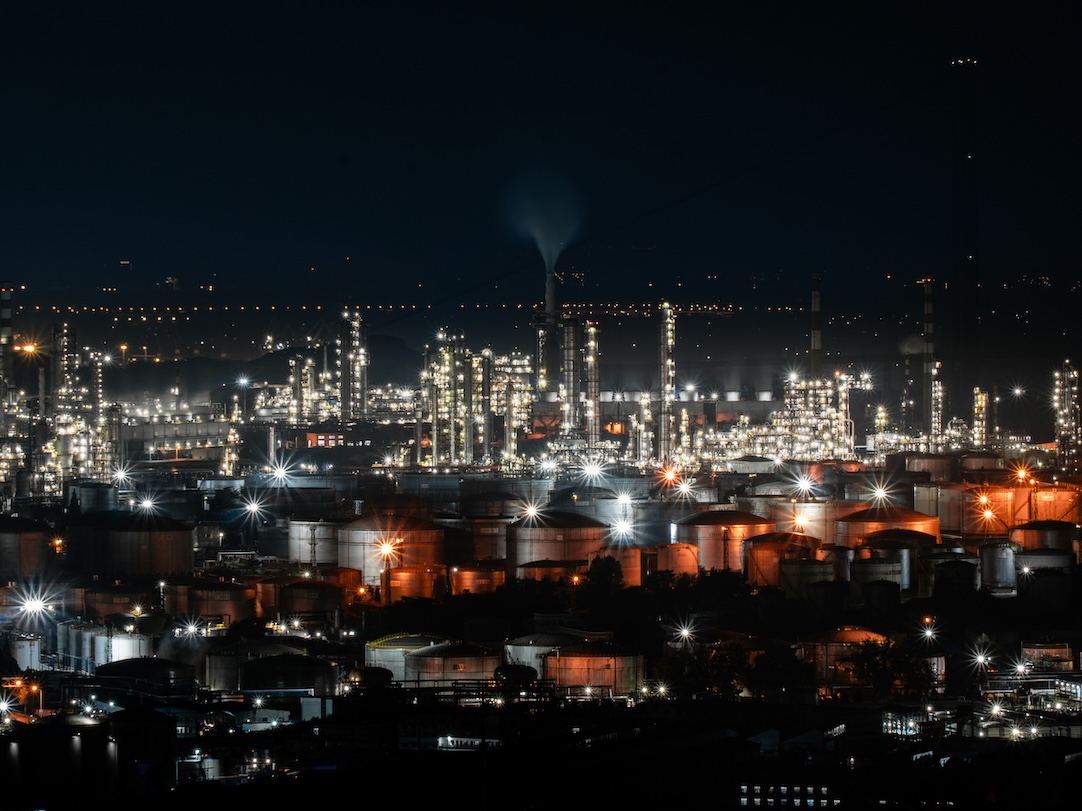
I grew up next to one of the most tightly guarded chemical plants in America. I’ve spent my life knowing what a direct hit means.
The United States bombed nuclear sites in Iran last night. No one died.
I’m not a military strategist, but my childhood was deeply tied to a defense contractor. I grew up next to Dow Chemical—once the home of Union Carbide, briefly merged with DuPont, now fractured again into three entities. The corporate structure is by design. It’s the old story of repackaging global trauma into financial products.
The money is important, but what’s more important is that both of my parents worked at a defense contractor that was described to children as a manufacturer of consumer goods. My dad was a chemical engineer. My mom was an assistant to the outside board of directors. In high school, we went to the company store and were amazed at all of the things “made by Dow” but really made by its subsidiaries, that is, until Dow started selling off its consumer divisions. Suddenly it did not make Scrubbing Bubbles. Then Sudafed. Then the cheap toothbrushes.
Now it’s just chemicals that are mostly unnamed or too confusing for people not in the chemical industry to understand. But we kids knew.
We knew something else, too. We knew that in the late 1980s we weren’t allowed to visit our parents inside the plant anymore, and that if they forgot their IDs–even if they’d worked there for over 20 years and saw the same security guards every day–they’d have to come home and get them before they could get through the two security gates. This was over 20 years before 9/11 shut everything down. We knew that we were on a nuclear bombing list in the 1980s–I not only was conscious of the Cold War in middle school, but would lay in my front yard with my best friend when I was 10 and we would imagine what we would do if a bomb fell from the sky, right then.
That was the reality.
The plant was lit up night and day—one of the best places to go make out in your dad’s car was Overlook Park, which overlooked the cooling ponds. It was lit up like the stars. The metal tubes of chemicals that you could drive a Honda Civic through glowed in their off-white and pale blue, always freshly painted with their hazard symbols clear.
The engineers all worked shift work, so almost everyone had a dad doing night shift at any time. There were always people in the plant. Even in the middle of the night. Hell, you’d make 2 1/2 overtime if you worked on Christmas. There was always security not only at the gates but patrolling the buffer zone between the two 25-foot electric fences with razor wire on the top in small white trucks with the Dow diamond logo on the side.
Dow was not a nuclear plant; it was a chemical plant. But if it had been bombed, dozens if not hundreds of people would have died, even in the middle of the night. And Iran is saying that no one died when three nuclear plants were bombed with Tomahawk missiles from B-2 bombers.
Thank God for international spy networks. We are very, very lucky.
For continuing updates, you can follow Al Jazeera’s latest coverage.
Get in touch. Contact me here.